 Experience Izzari






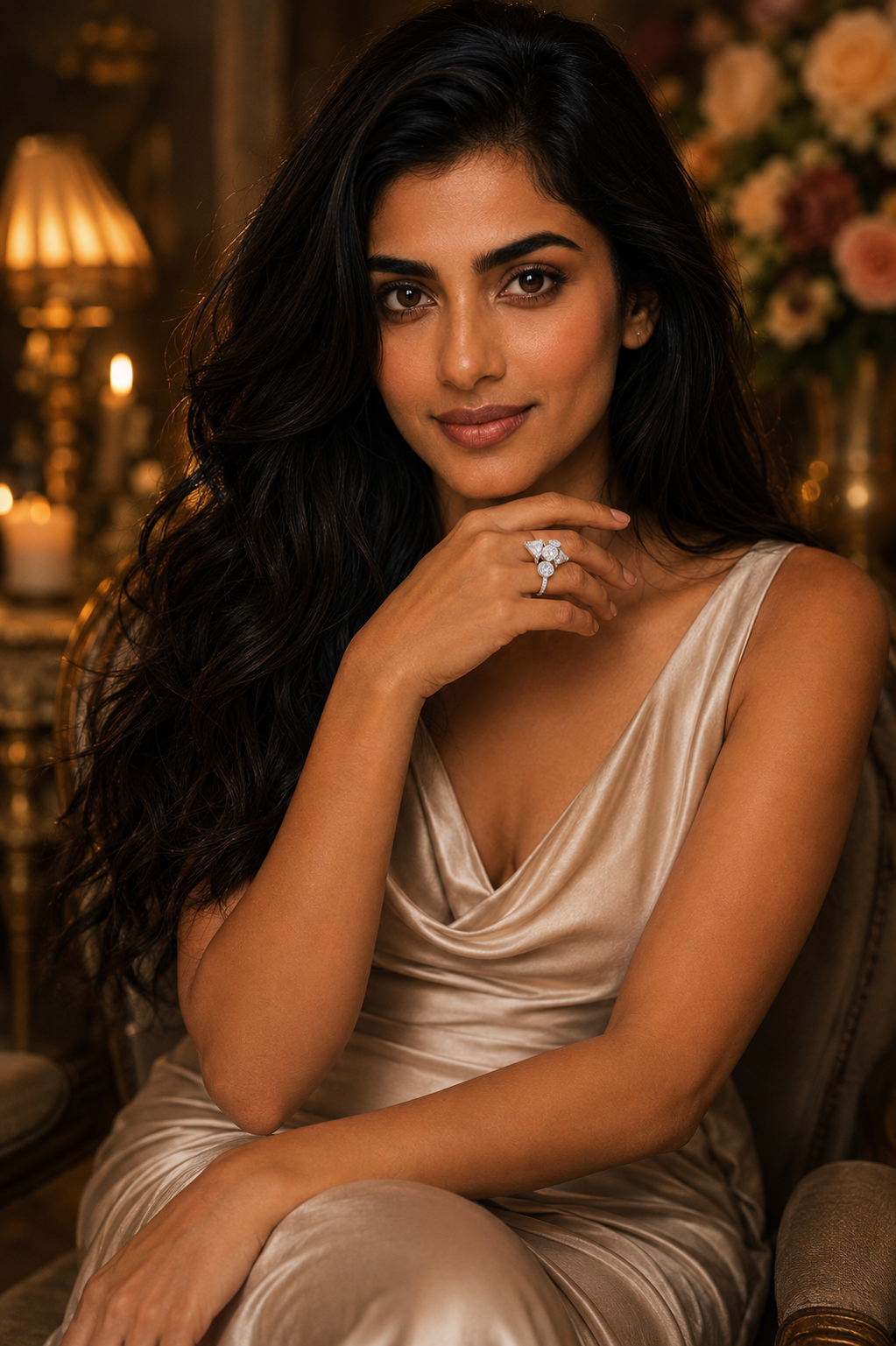


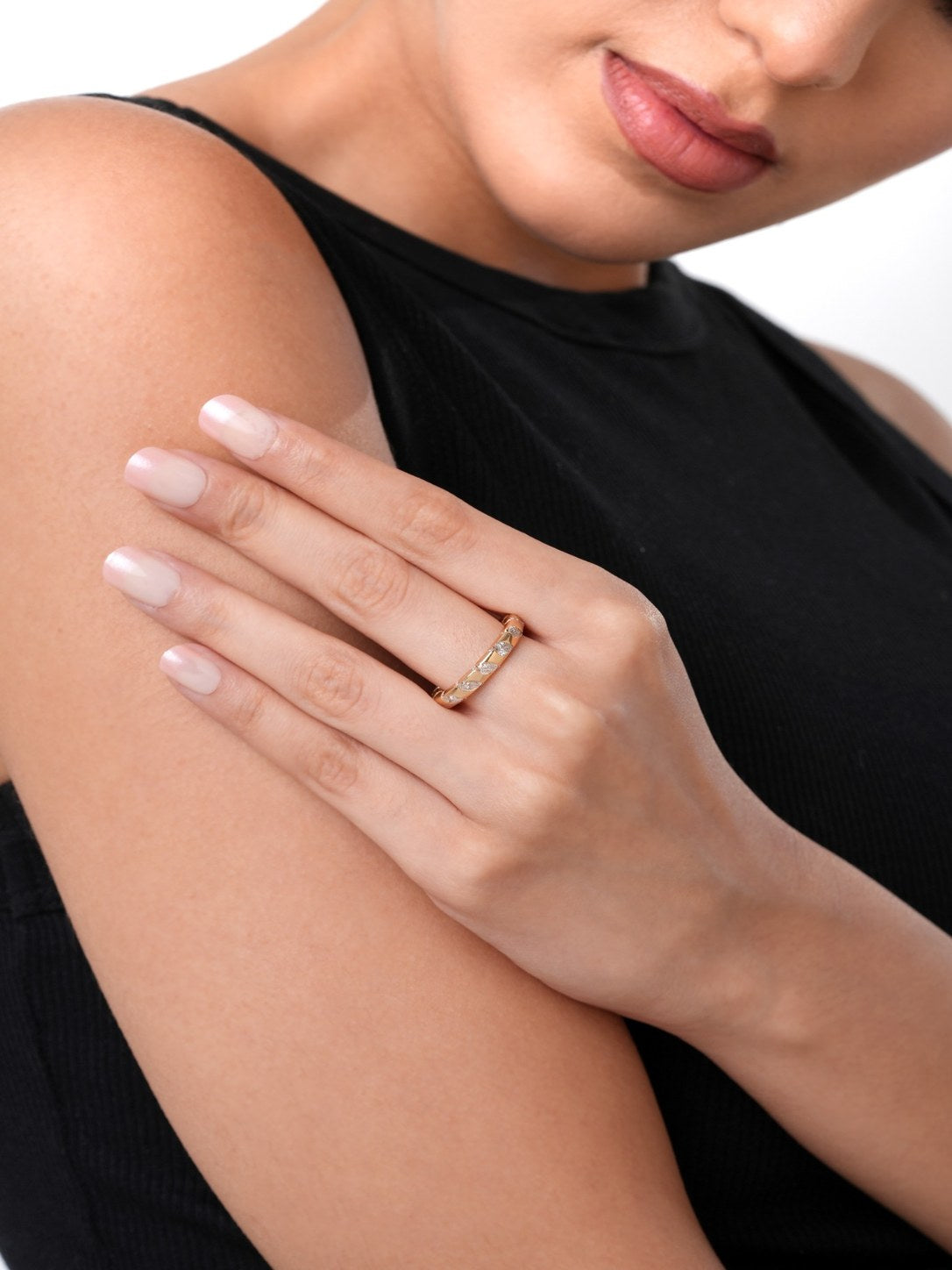


Natural Diamonds Explained: Cut, Colour, Clarity & Carat Made Simple
Buying natural diamond jewellery becomes much easier once you understand the 4Cs — Cut, Colour, Clarity and Carat.
These four factors help determine how a diamond looks, performs and is valued. You do not need to be a diamond expert to understand them. Here is a simple breakdown.
1. Cut: What Creates the Sparkle
The cut of a diamond refers to how well its proportions and facets interact with light.
A well-cut diamond reflects light beautifully, creating the brilliance and sparkle we associate with diamonds. This is why cut can often have a bigger visual impact than size alone.
A smaller, beautifully cut diamond can sometimes appear more striking than a larger diamond with weaker proportions.
Diamond cut should not be confused with diamond shape. Round, pear, emerald, marquise and oval describe the shape, while cut refers to how effectively the diamond reflects light.
2. Colour: How Colourless Is the Diamond?
Natural diamonds can contain subtle traces of colour.
Diamond colour is commonly graded from D to Z, with D representing diamonds that appear the most colourless. As you move further down the scale, warmer yellow or brown tones may become more noticeable.
However, you do not always need the highest possible colour grade.
The metal, setting and overall jewellery design can influence how a diamond appears. For example, white gold can enhance a bright, crisp look, while yellow or rose gold can complement slightly warmer diamond tones beautifully.
The goal is to find the right balance between appearance, design and value.
3. Clarity: Natural Characteristics Inside a Diamond
Because natural diamonds are formed deep within the earth over extremely long periods, many contain tiny internal or external characteristics known as inclusions and blemishes.
Clarity grading evaluates how noticeable these characteristics are.
Some diamonds have extremely few inclusions, while others may contain small characteristics that are visible only under magnification.
An important point to remember is that many inclusions cannot be seen with the naked eye.
So instead of automatically choosing the highest clarity grade, look for a diamond that appears clean and beautiful when worn.
4. Carat: The Weight of the Diamond
Carat is one of the most commonly discussed factors when buying diamond jewellery.
But carat measures weight, not the visible size of a diamond.
Two diamonds with the same carat weight can appear different in size depending on their shape, cut and proportions. For example, elongated shapes such as pear, oval or marquise diamonds can sometimes appear larger on the finger than a round diamond of similar weight.
This is why carat should always be considered together with the other three Cs.
Which of the 4Cs Is Most Important?
There is no single perfect answer because every buyer has different priorities.
If sparkle matters most, focus on cut.
If you want a bright, colourless appearance, pay closer attention to colour.
If visual purity is important, consider clarity.
And if you want a stronger visual presence, carat weight may become a bigger priority.
In fine jewellery, the best result usually comes from balancing all four rather than choosing the highest grade in every category.
Diamond Shape Matters Too
Although it is not officially part of the 4Cs, diamond shape strongly influences the personality of a jewellery piece.
Round diamonds are timeless and brilliant.
Emerald-cut diamonds feel clean and architectural.
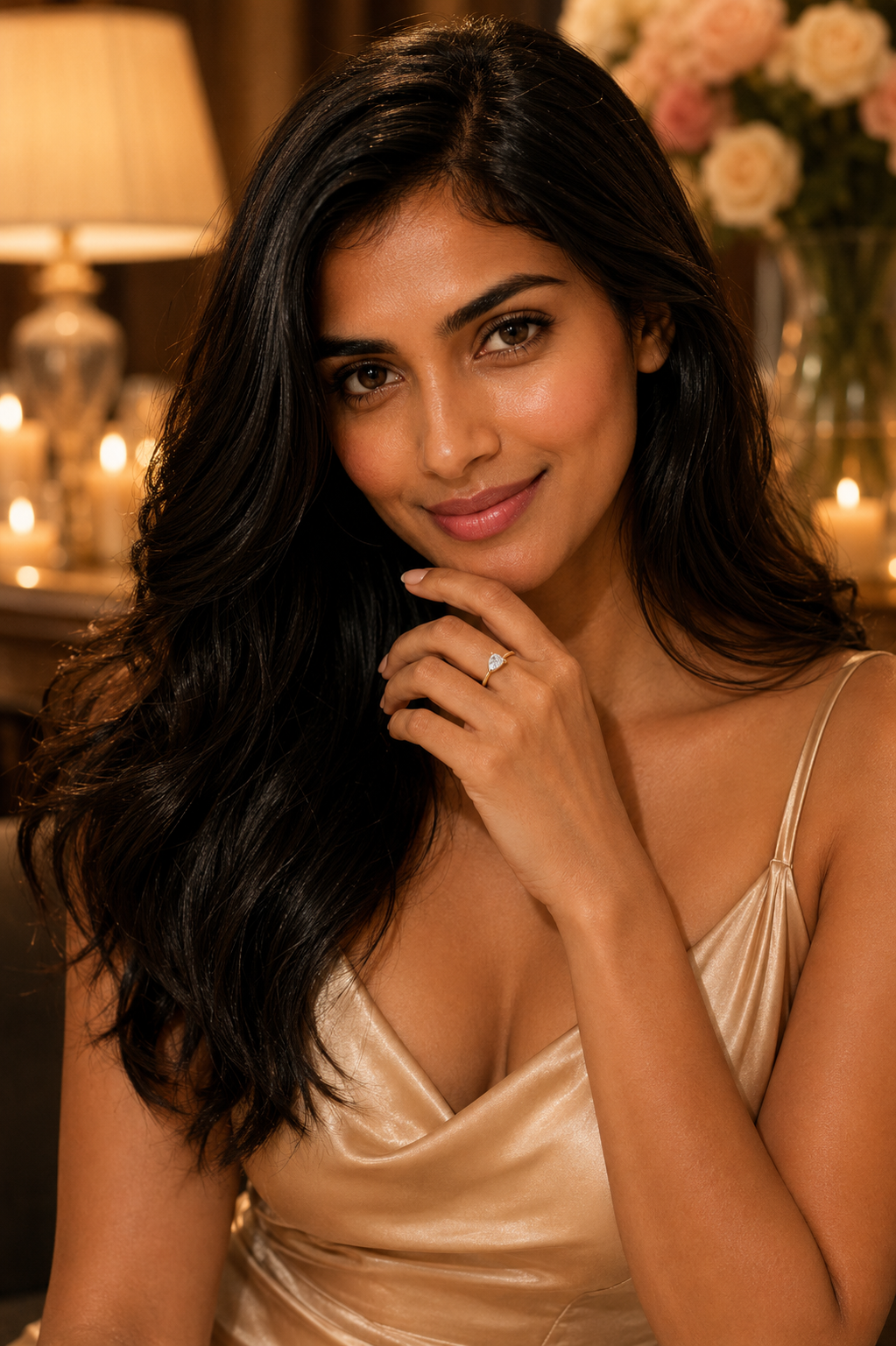
Pear diamonds create an elegant, elongated look.
Marquise diamonds feel distinctive and dramatic.
Baguette diamonds add a sleek, contemporary character.
This is why two pieces with similar diamond specifications can still look completely different.
How to Choose the Right Natural Diamond Jewellery
Before buying, think about how you plan to wear the piece.
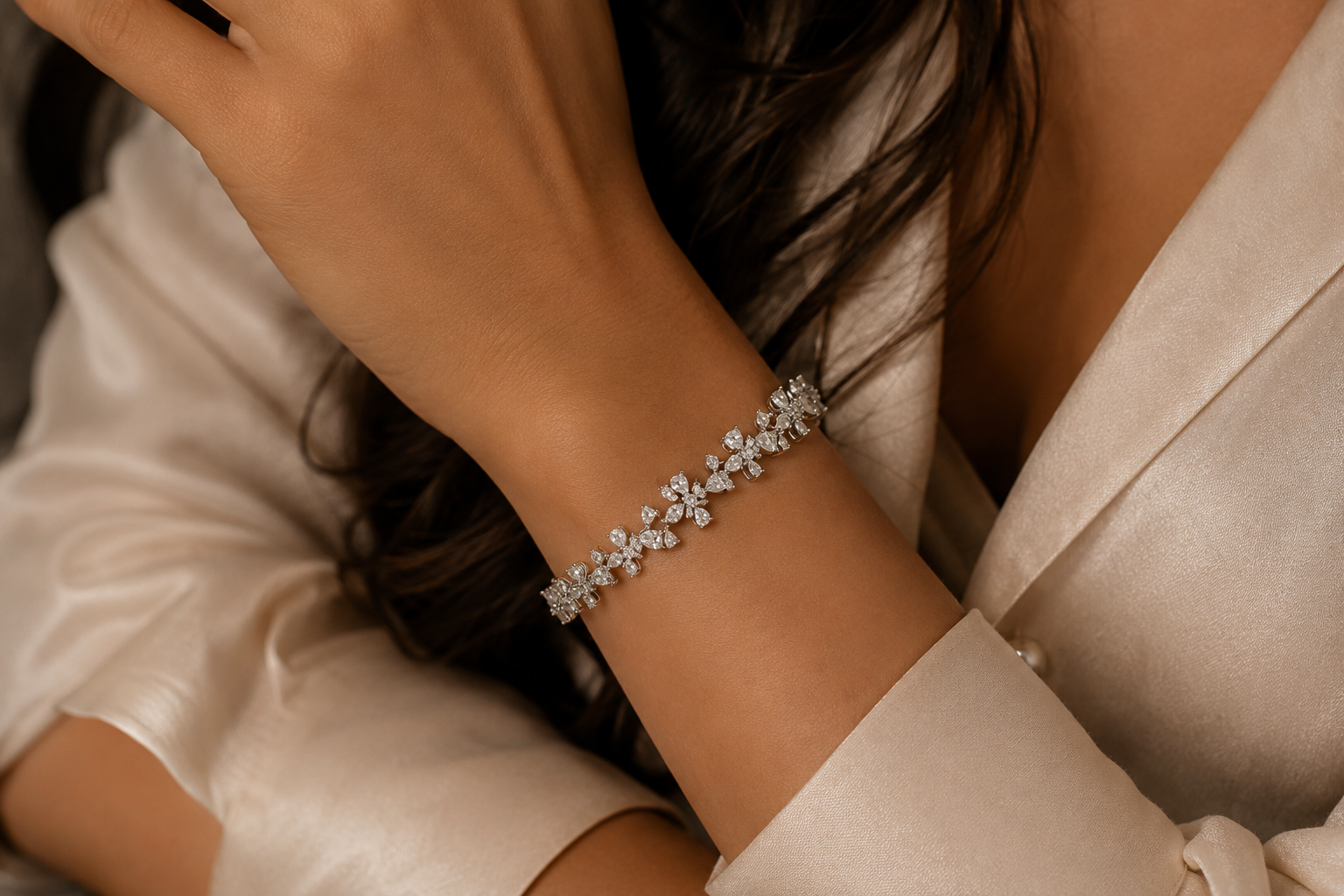
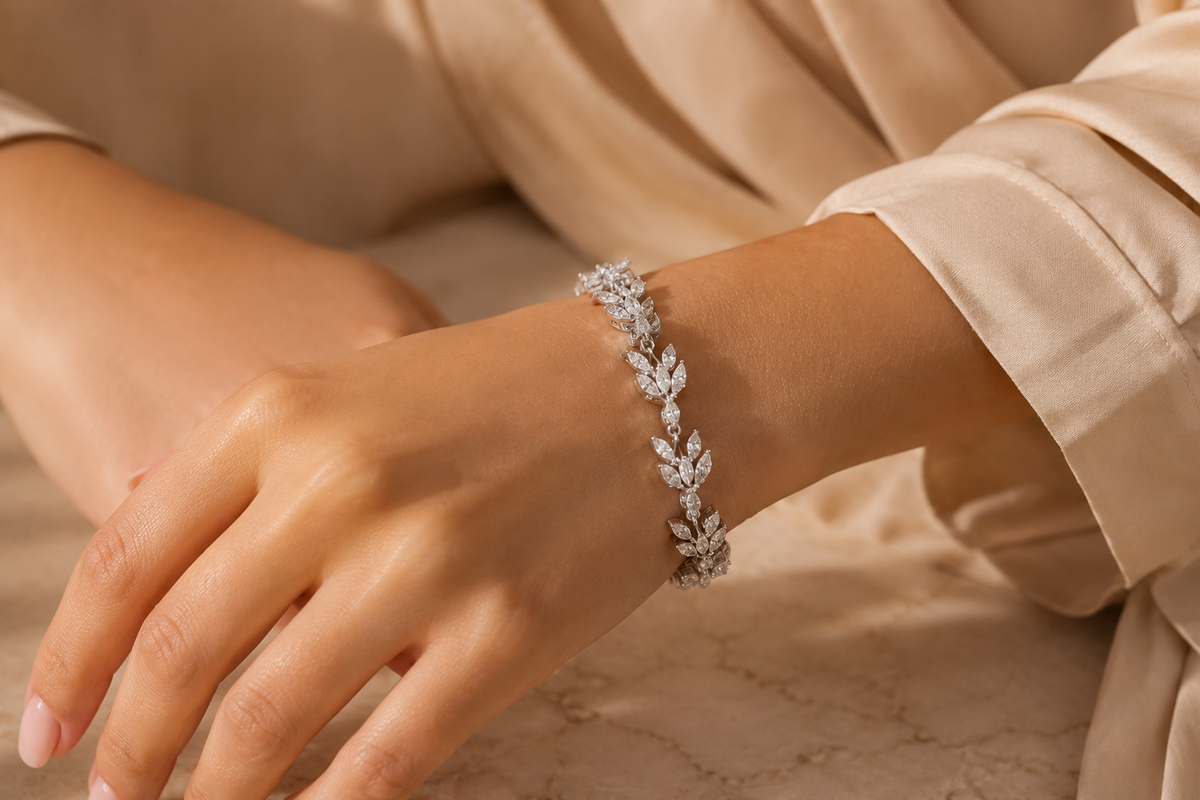
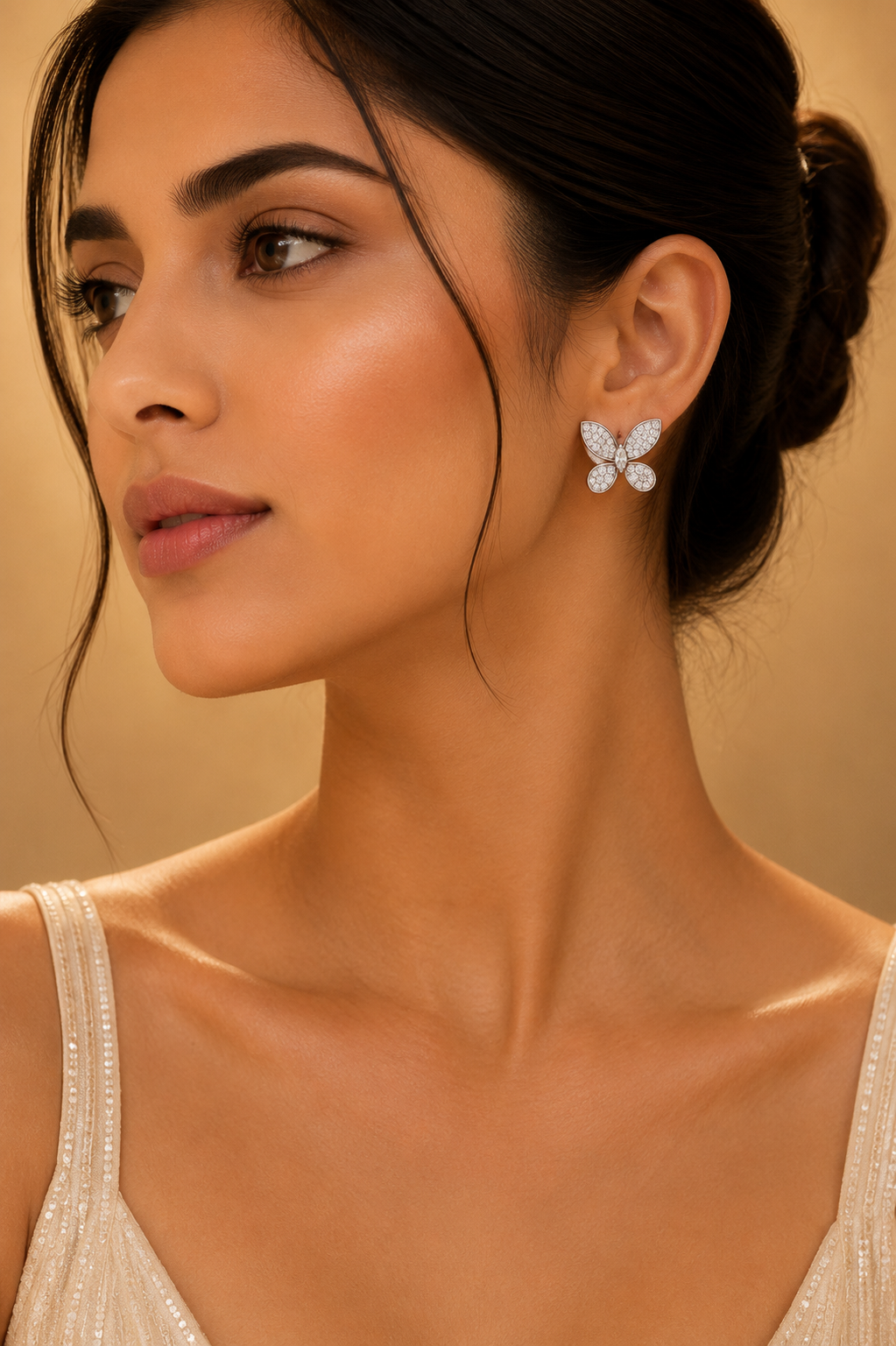
For everyday jewellery, you may prefer refined diamond studs, minimal necklaces, eternity bands or tennis bracelets.
For weddings and occasions, statement rings, layered necklaces or mixed-cut diamond designs can create greater impact.
At Izzari By Aanchal Jain, natural diamonds are used across classic and contemporary fine jewellery designs, allowing you to choose pieces based not only on specifications, but also on how the jewellery makes you feel.
The Final Takeaway
The 4Cs do not have to make diamond buying complicated.
Remember:
Cut affects sparkle.
Colour affects how colourless the diamond appears.
Clarity considers natural inclusions.
Carat measures the diamond’s weight.
The best diamond is not simply the one with the biggest carat or highest grade. It is the one where beauty, craftsmanship and quality come together in a way that feels right for you.


